Mexicana

Art direction

Served as Art Director during the pre-production of a Mexican animated feature film, contributing to the definition of the project’s visual identity and artistic direction.

Key contributions:

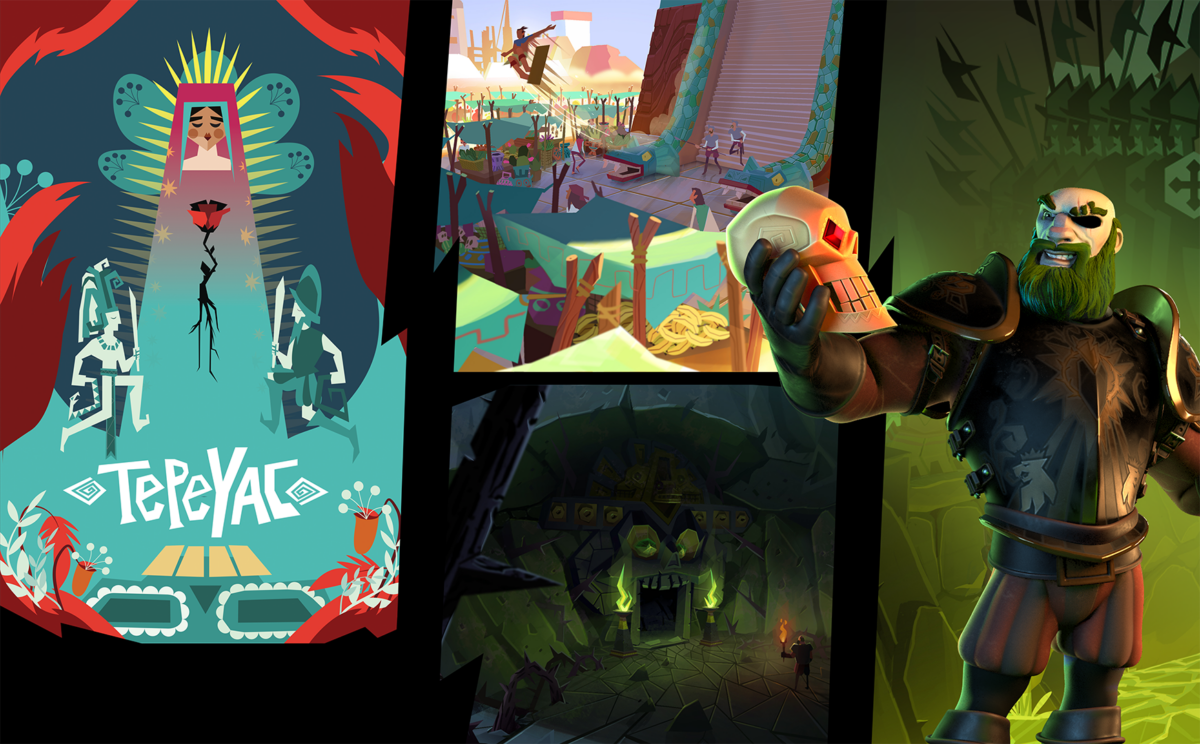
  • Defined the overall visual language and art direction of the film.
  • Directed character, environment design principles and worldbuilding during pre-production.
  • Creative liaison with the client, clearly explaining visual choices and securing fast, first-pass approvals.
  • Collaborated closely with production leadership to align creative vision with narrative and technical constraints.

Aztec Myths & Deities

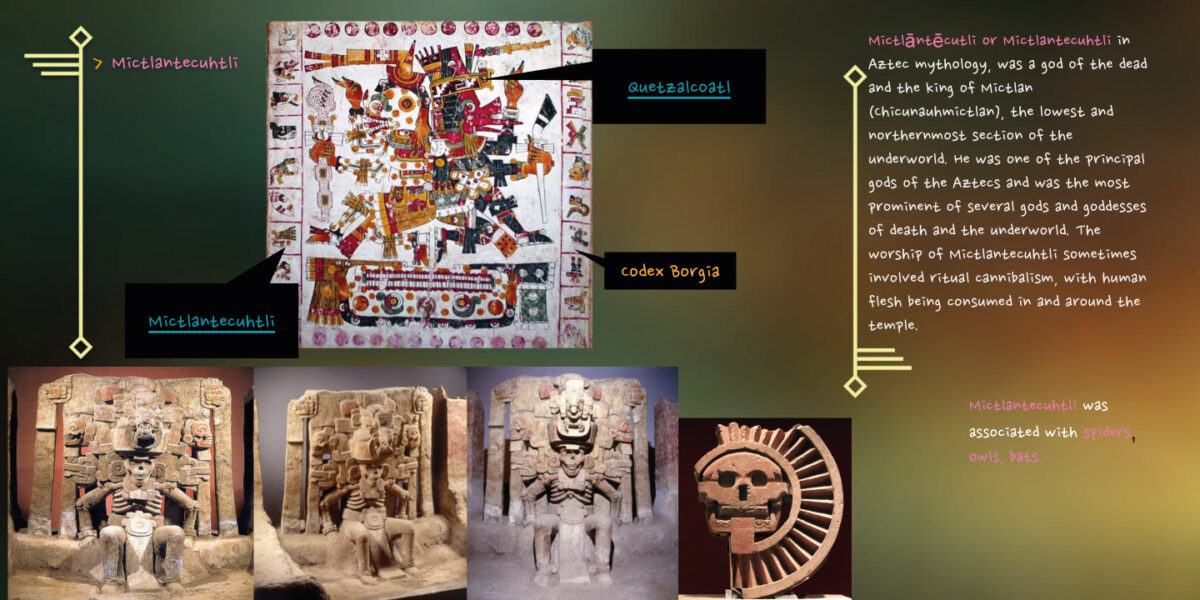
An in-depth study of the Aztec pantheon was conducted in order to provide the artists with a wide range of visual references and symbolic elements for creating patterns and designs.

Although artistic liberties were taken where necessary, the goal was always to respect Aztec culture and maintain historical and cultural authenticity.

Historical Research: Aztec Deities
Art by Marco Bambina; Art Direction by Gaetano Leonardi.
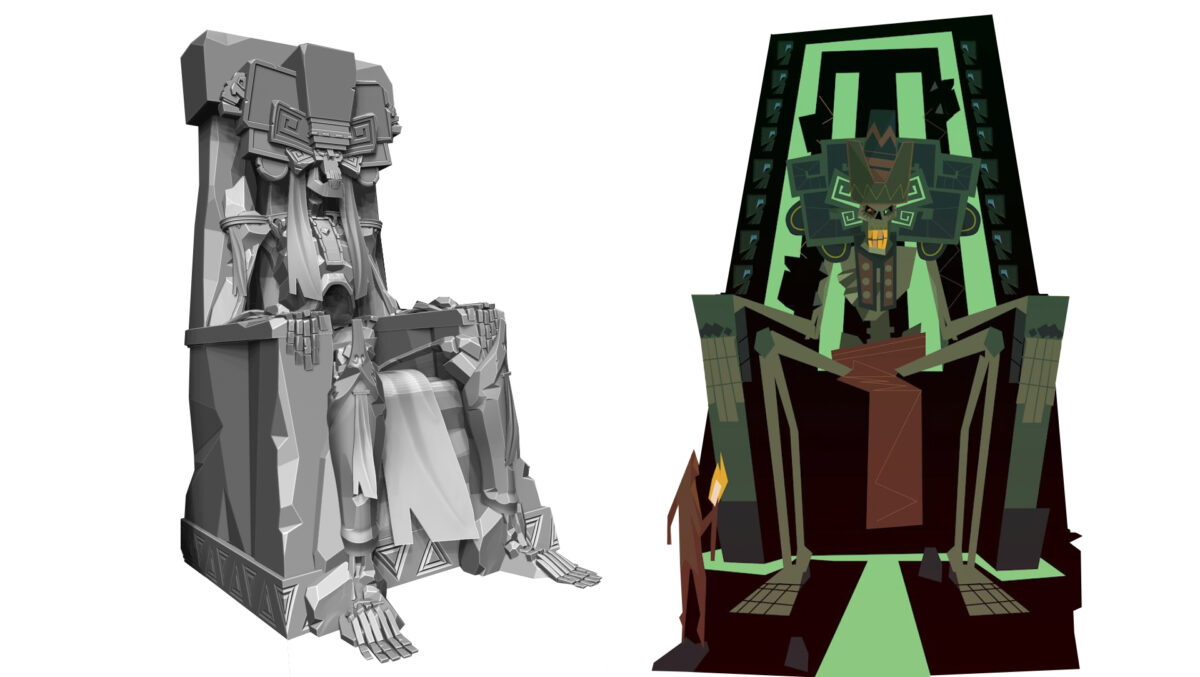
Mictlantecuhtli interpretation  by Gaetano Leonardi.
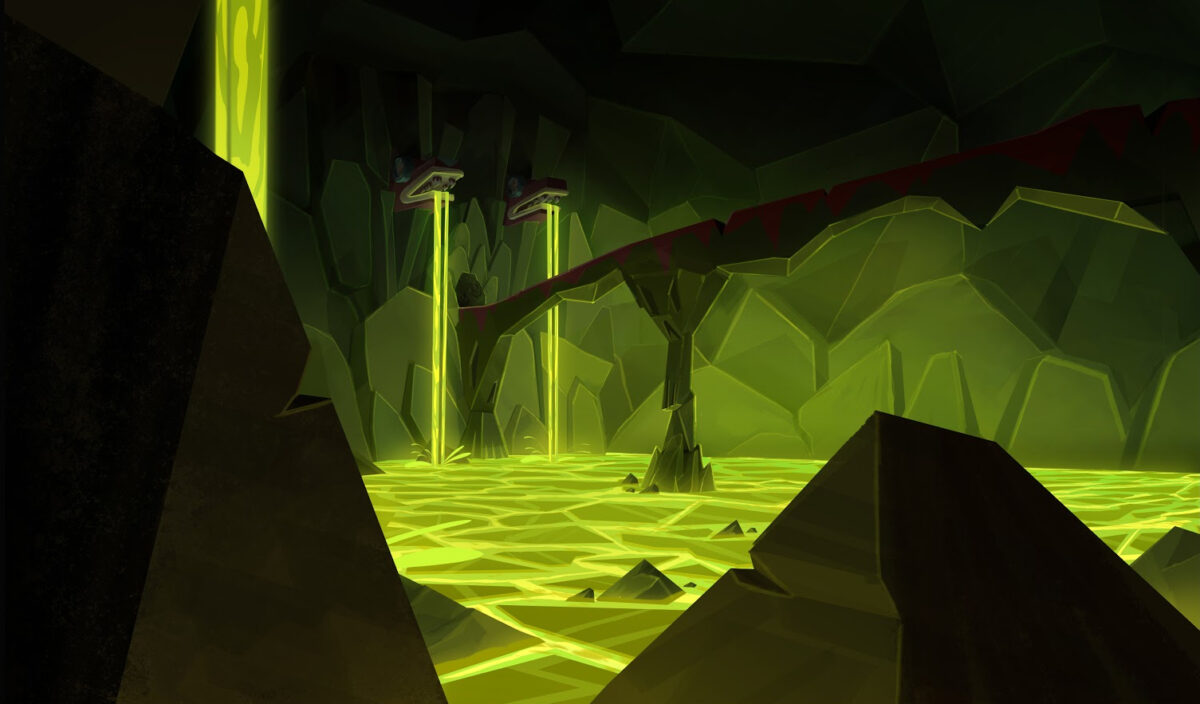
Art by Marco Bambina; Art Direction by Gaetano Leonardi.
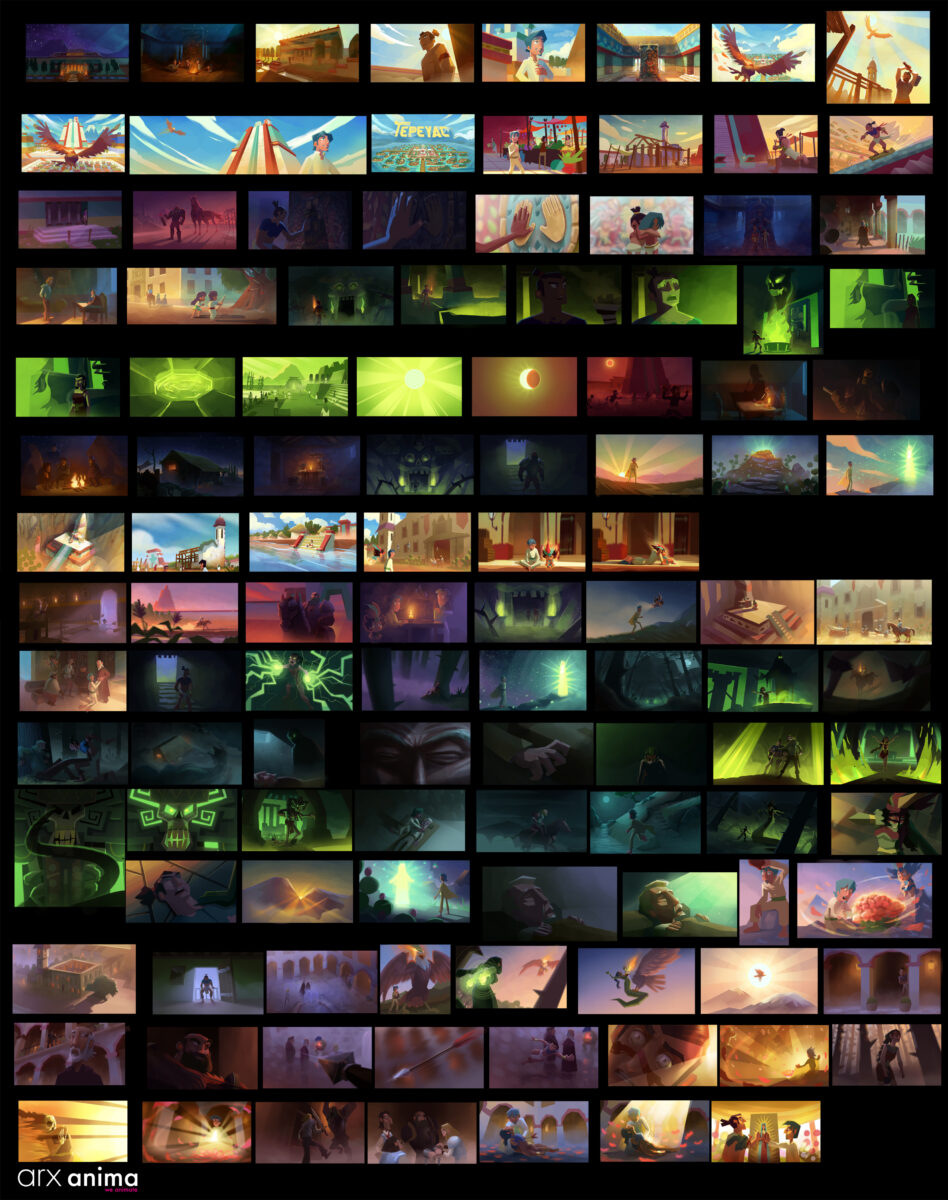
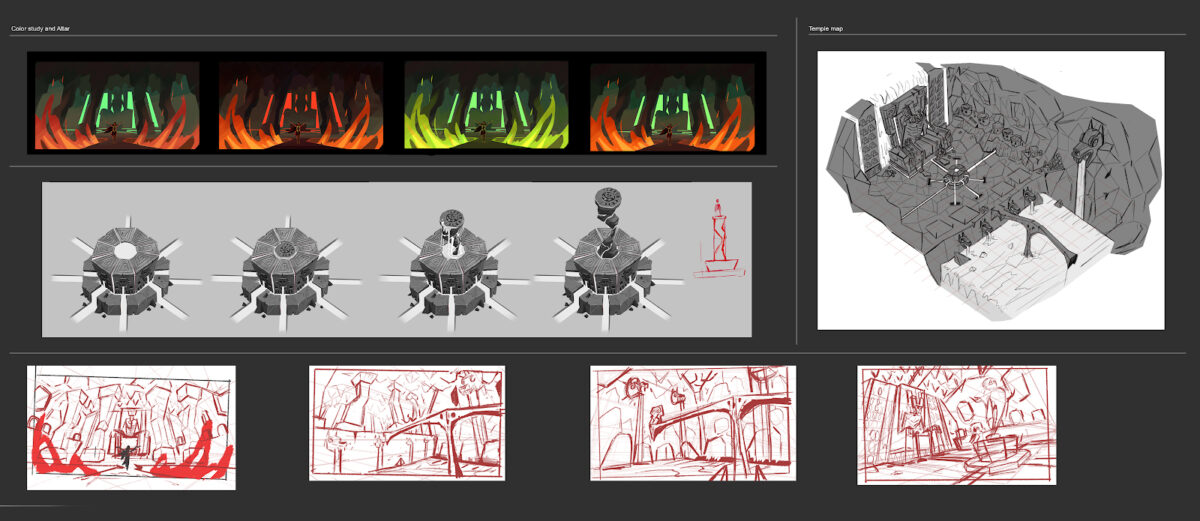
Color Keys – Art by Marco Bambina.
Colors

Color Key direction

I oversaw the color key direction, with artwork by Marco Bambina.

Color is not merely an aesthetic choice, it is a powerful tool that supports direction and reinforces communication. Through contrasts in saturation, luminance, and complementary hues, color helps guide the audience’s perception and emotional response.

Colors can significantly influence the viewer’s mind. For example, if we transform a natural yellow-red flame into an unnatural green one, we immediately communicate that something magical is happening. Without a single line of dialogue, we introduce a precise narrative element.

Once established, this visual language must remain consistent throughout the film, especially in subsequent magical moments, to preserve coherence and reinforce storytelling.

Environment

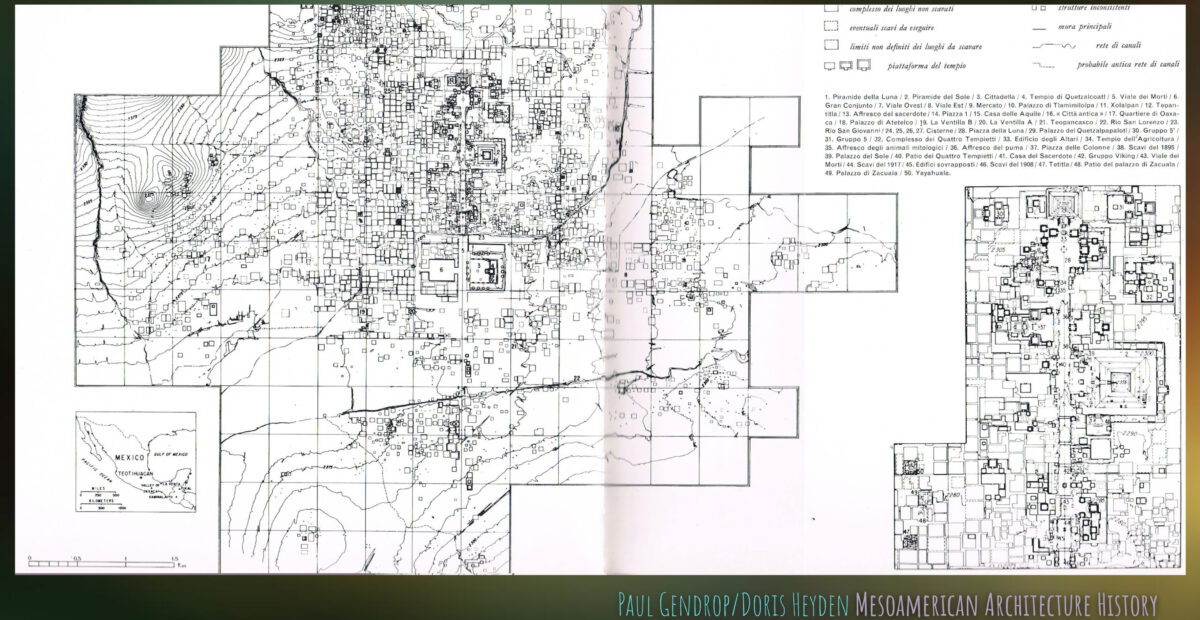
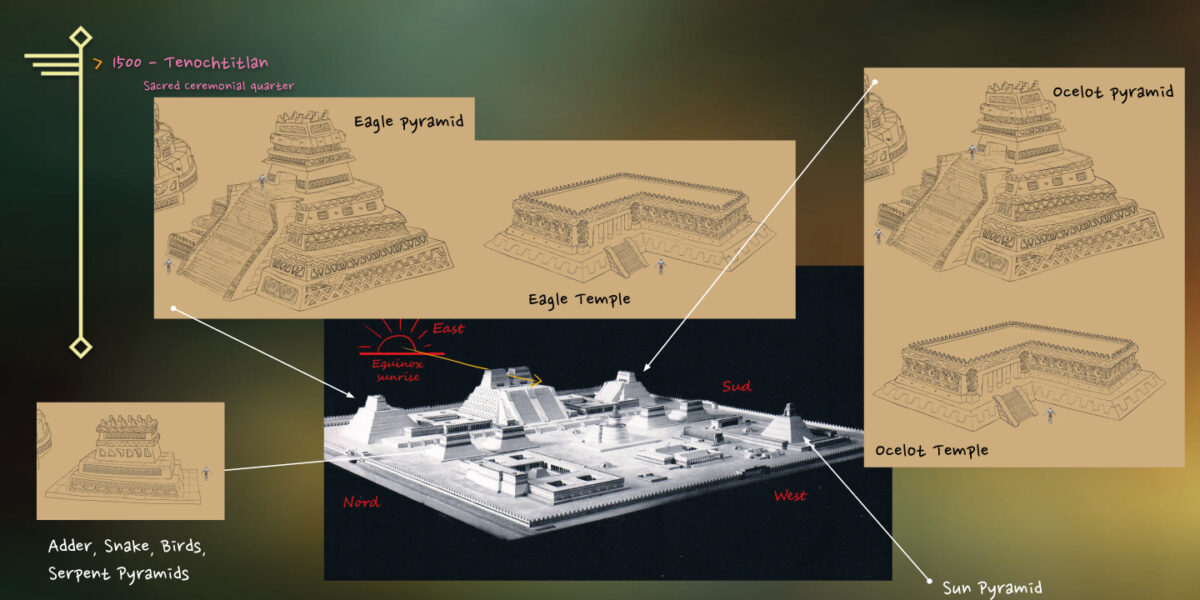
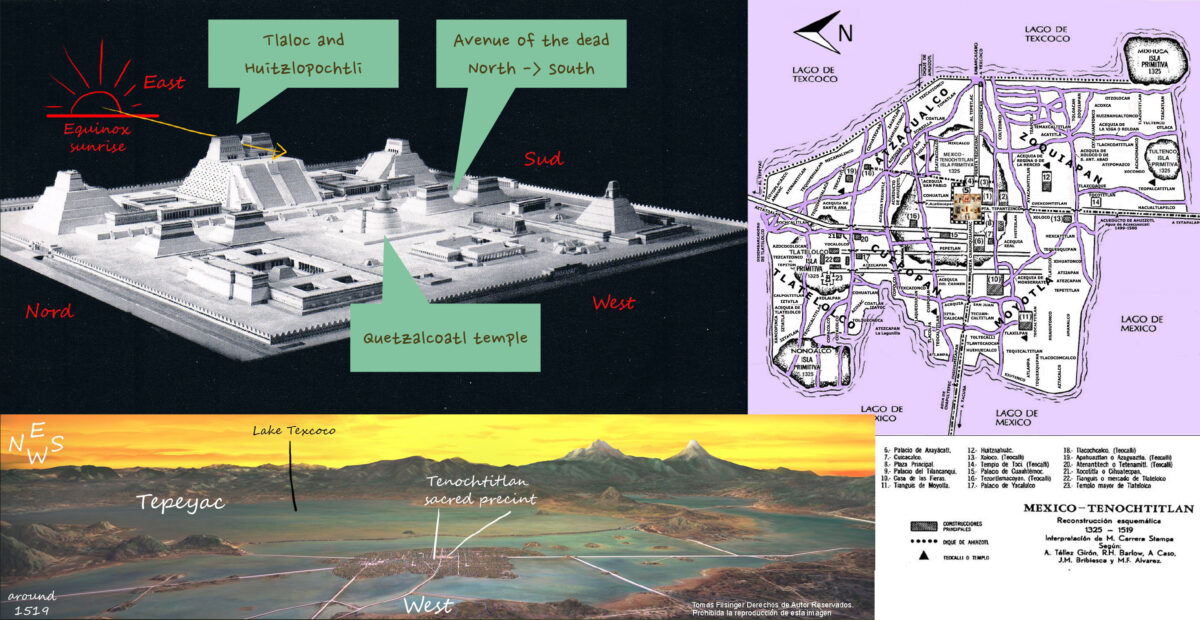
Architectural Historical Research

A thorough study of the geographical area, archaeology, and the typical architecture of both the Spanish colonists and the Aztec population was conducted and organized in a clear and comprehensive way, allowing the artists to work efficiently and with strong historical grounding.

Thanks to this research, multiple design proposals were later developed, and detailed city layouts were created to optimize each shot, both from a production efficiency standpoint and an aesthetic perspective.

Architectural Historical Research

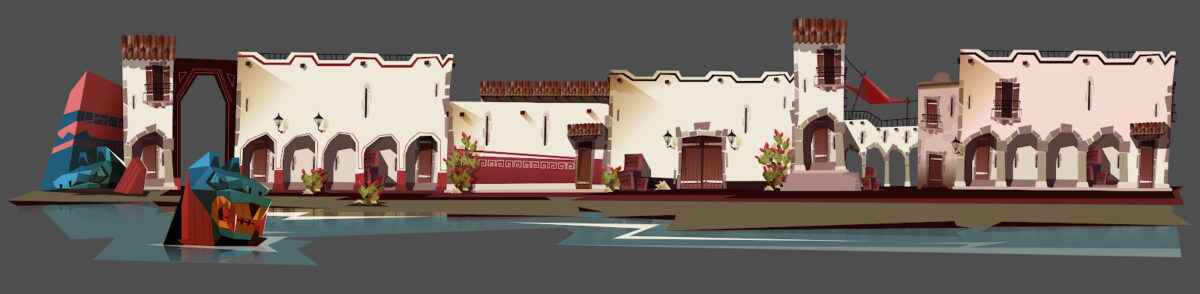
Architecture Example – Art by Gaetano Leonardi.
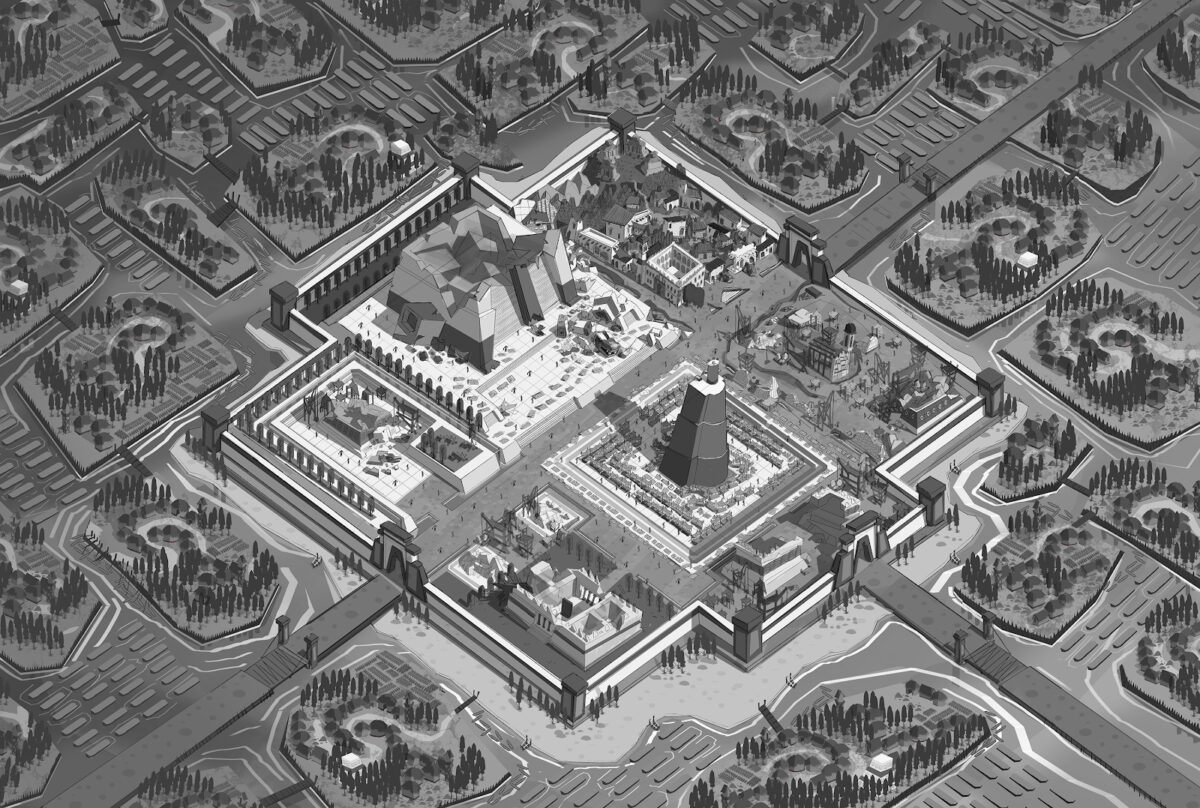
Tenochititlan Concept – Art by Marco Bambina; Art Direction by Gaetano Leonardi.
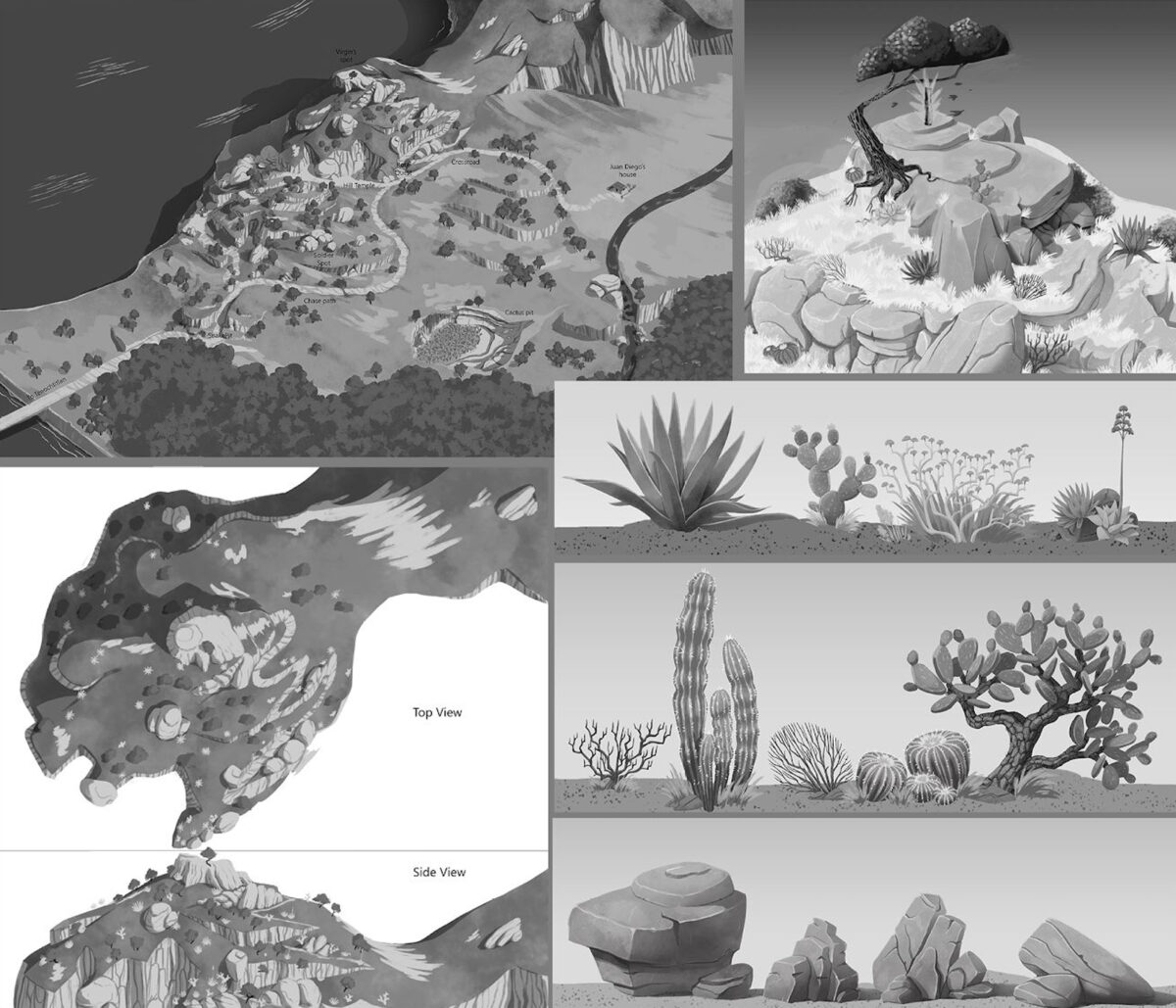
Vegetation and Environmental Research – Art by Daniel Ferrara; Art Direction by Gaetano Leonardi.
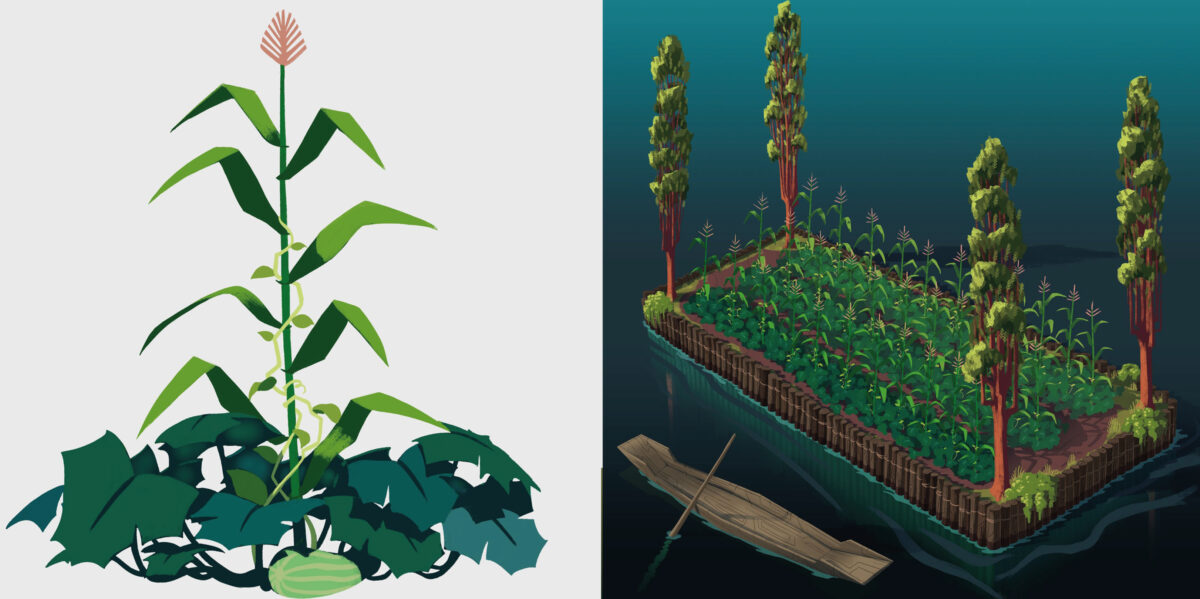
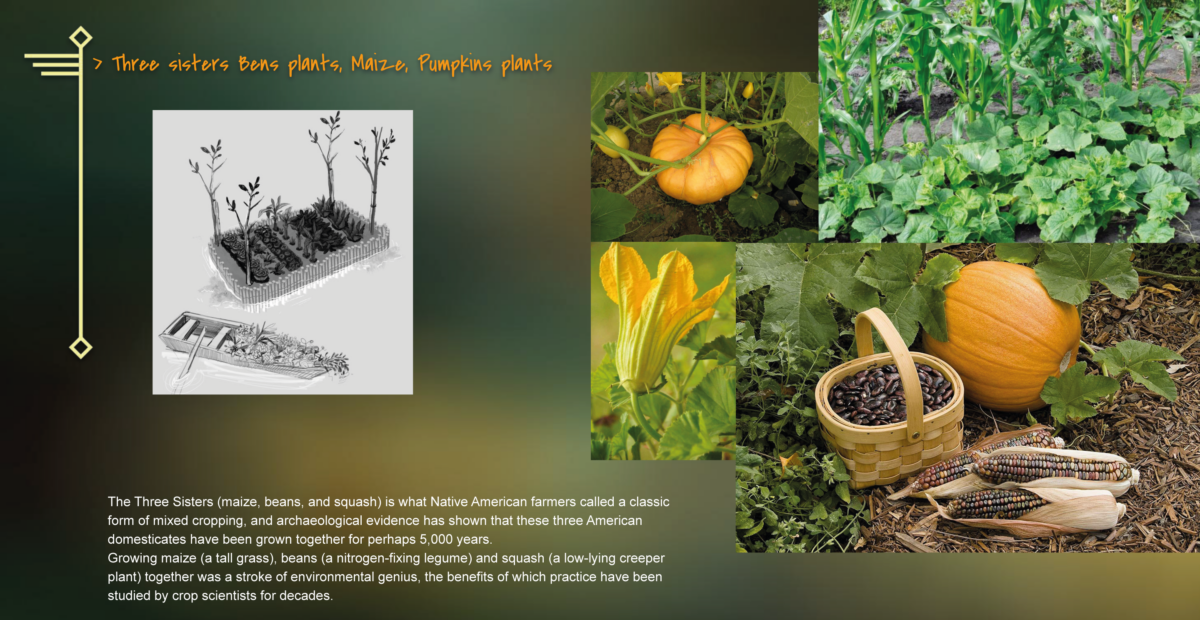
Flora and Fauna Research for the Environment

In-Depth Research to Brief the Art Team

An extensive study of Mexican vegetation was conducted and prepared for the artists, providing detailed references and examples of each plant species native to the region.

Multiple design variations were developed, and the environment was carefully analyzed and planned for every shot of the film to ensure accuracy, consistency, and visual coherence.

Characters

Character design Supervising

I also developed several early character sketches during the pre-production phase.
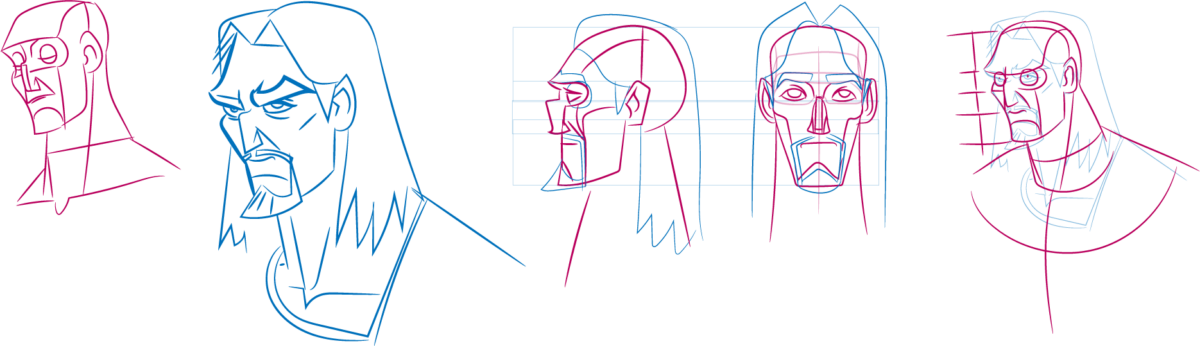
These materials were primarily created to brief the artists for the next stage of development.
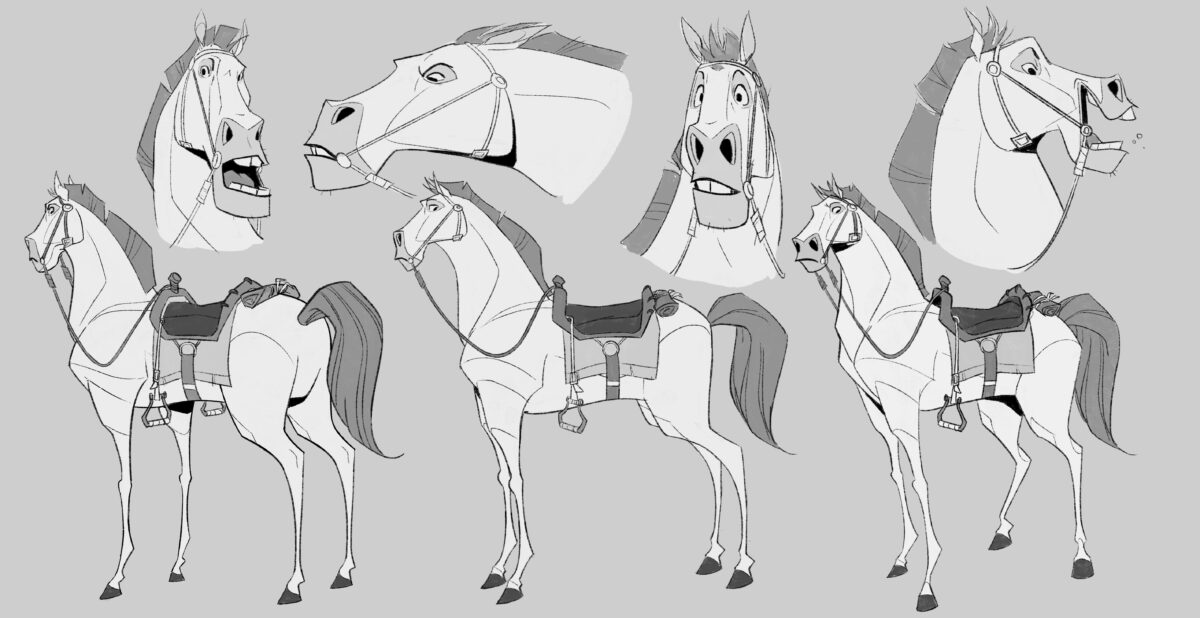
Character Design by Nunzio Cafagna;
Art direction by Gaetano Leonardi.
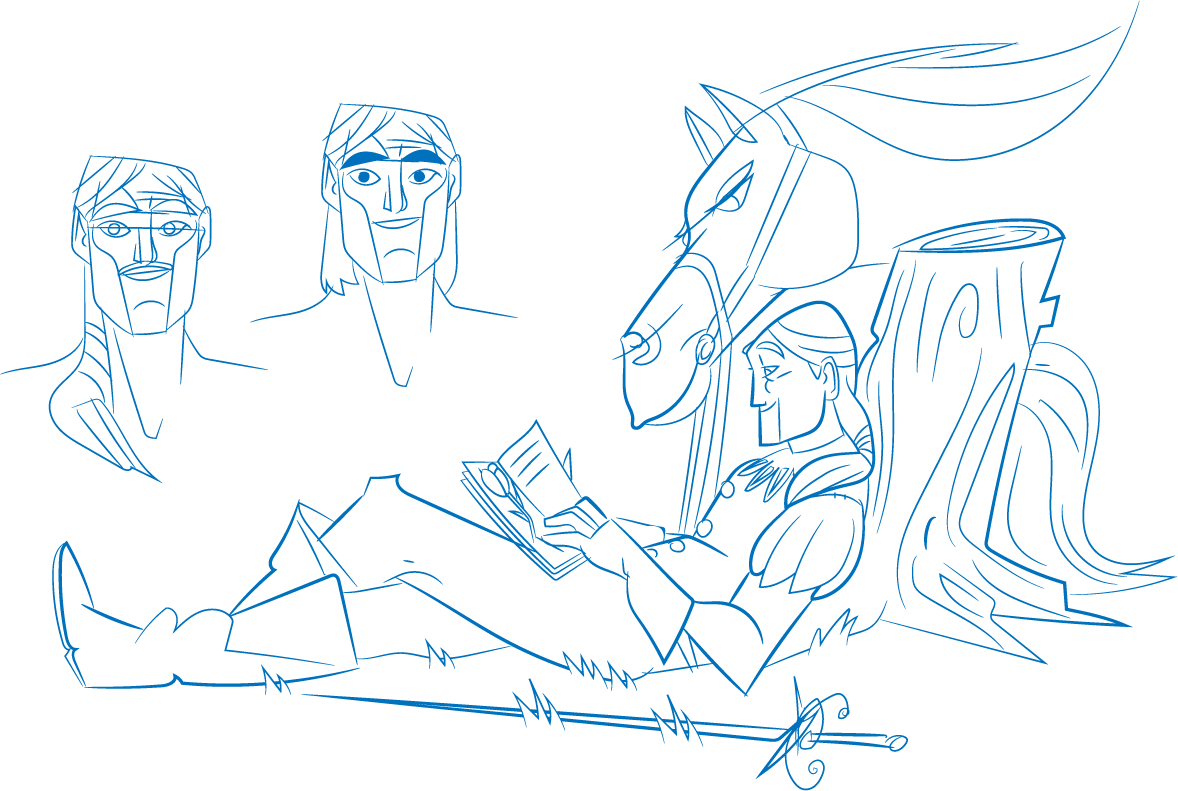
Sketches for Artist Briefing.
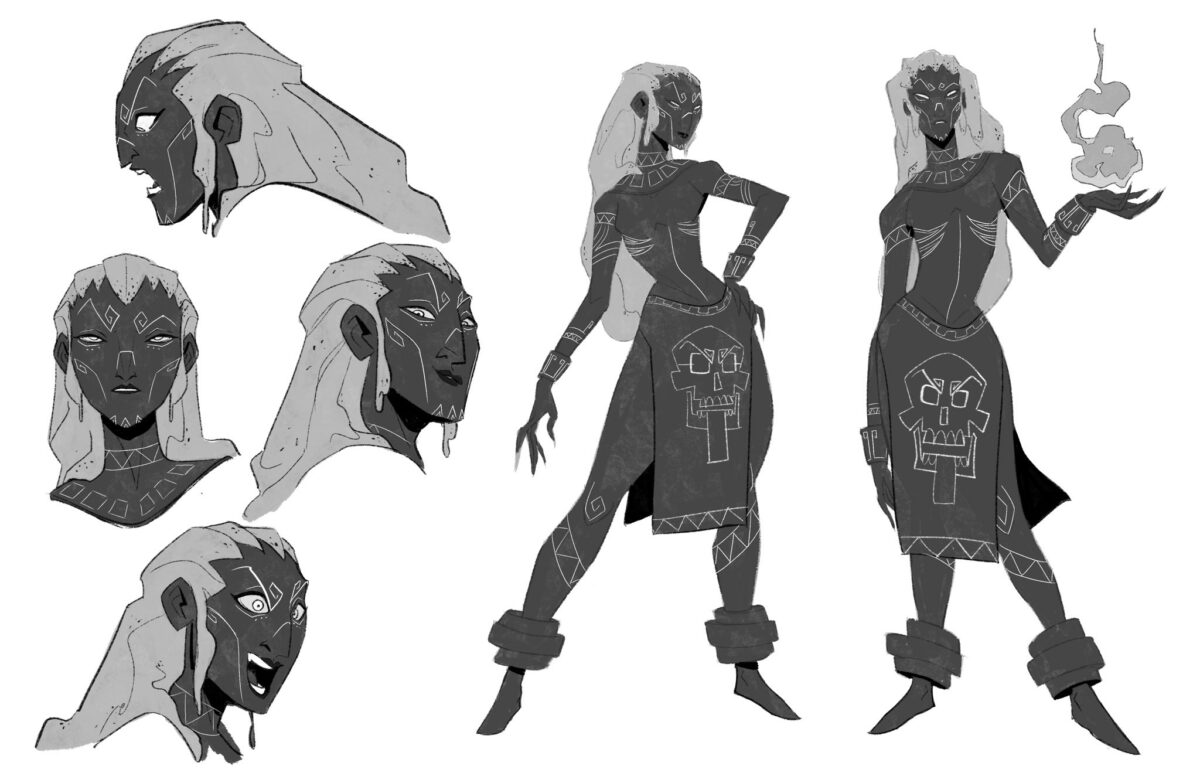
Character Design by Nunzio Cafagna; Art direction by Gaetano Leonardi.

Sculpting supervising

3D Character design

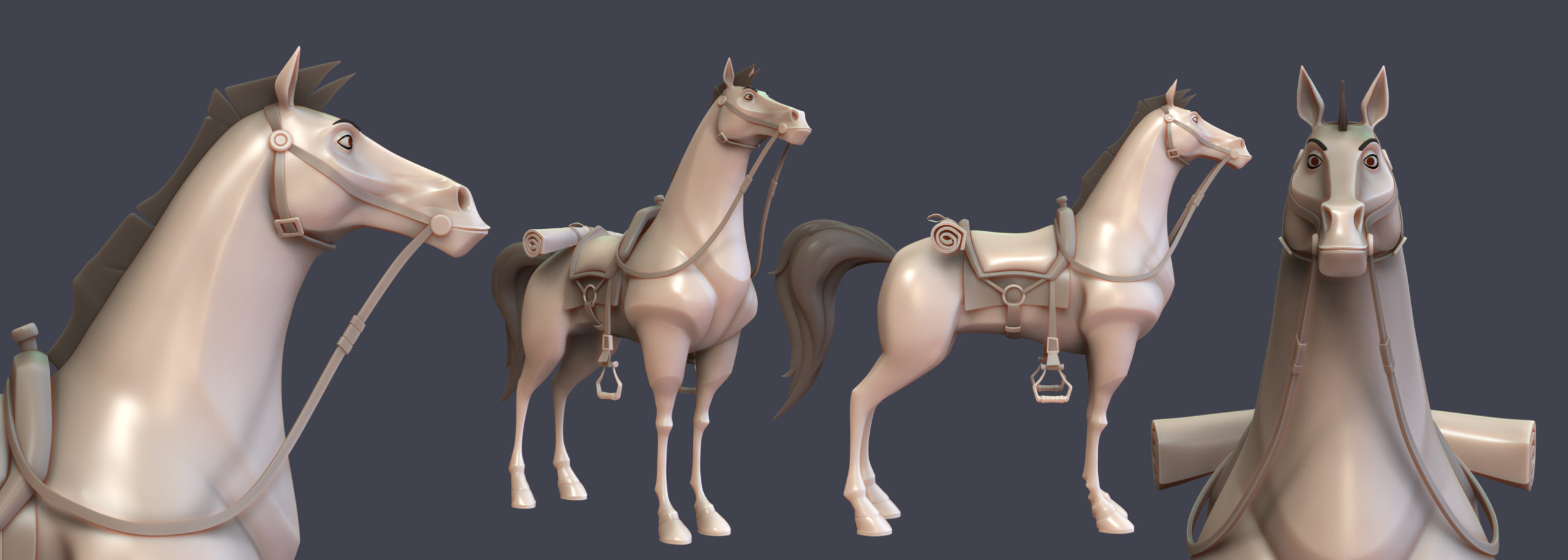
I supervised the sculpting process, working directly on top of the artists’ models when necessary to ensure visual consistency and maintain the integrity of the characters.
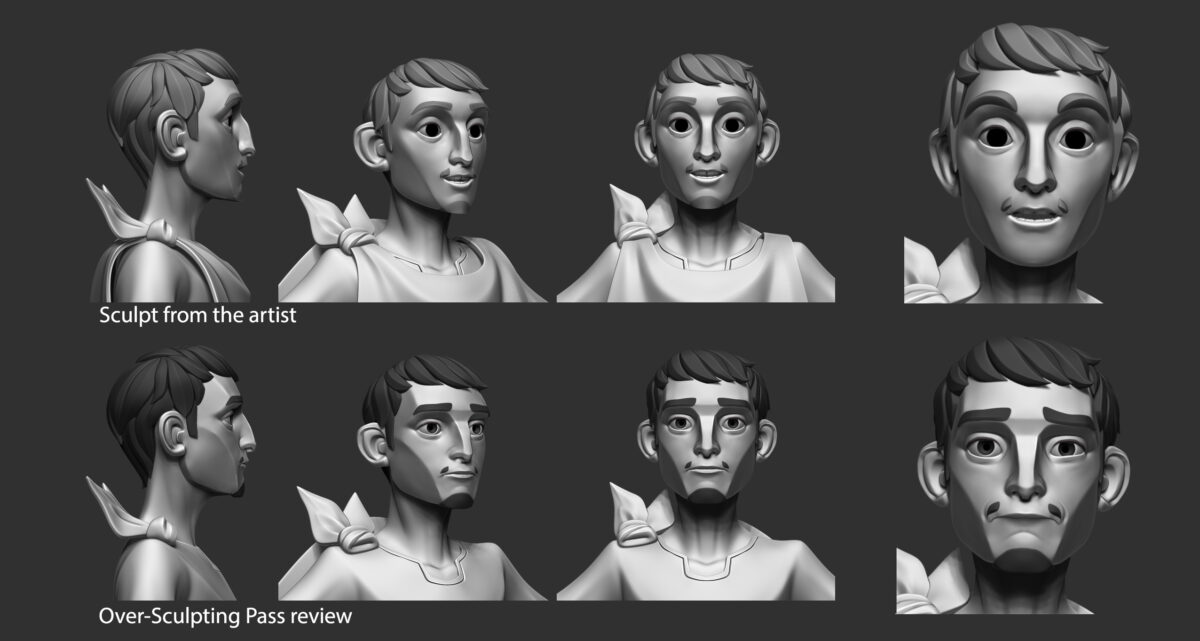
Over-Sculpting Pass by Gaetano Leonardi.
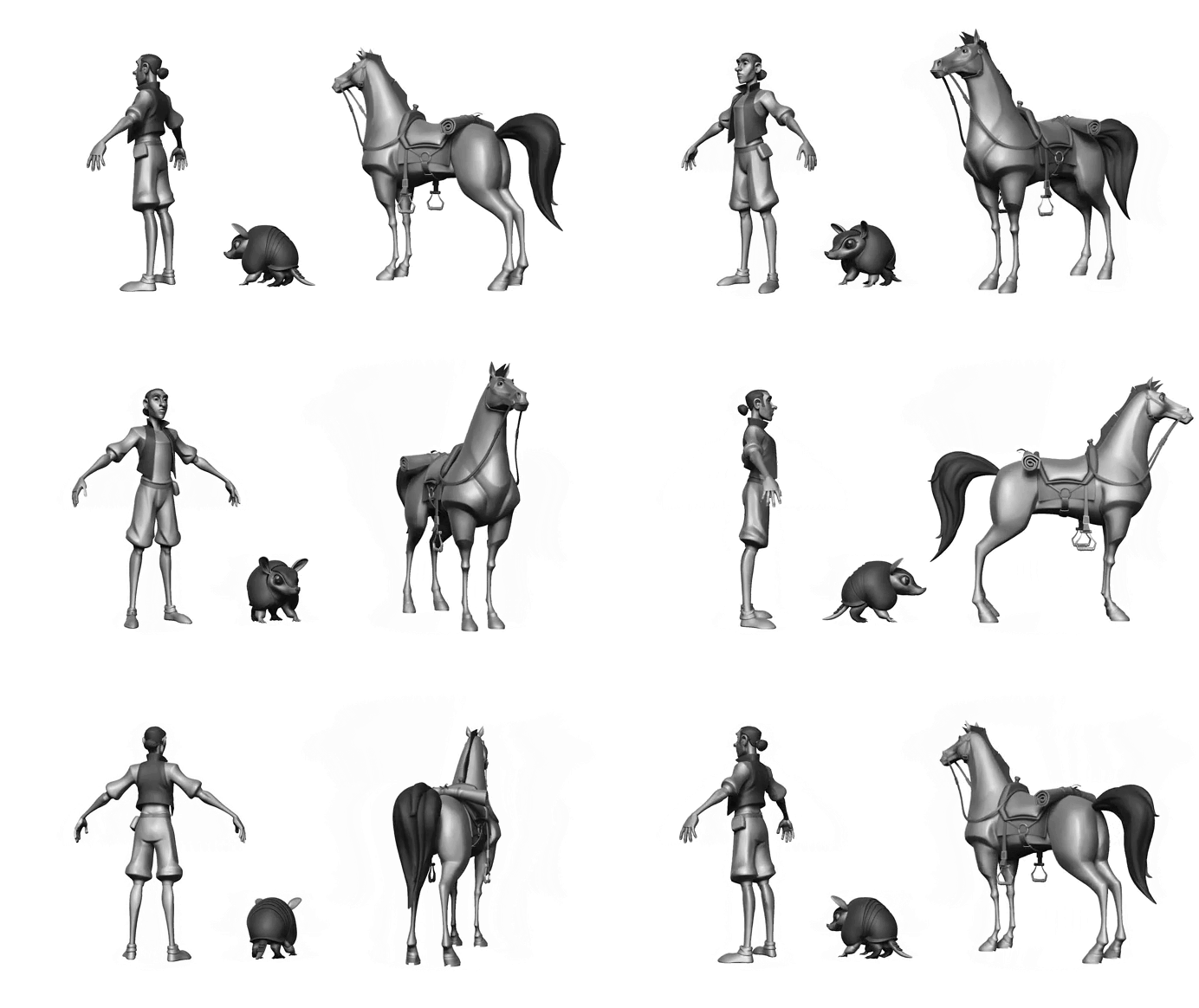
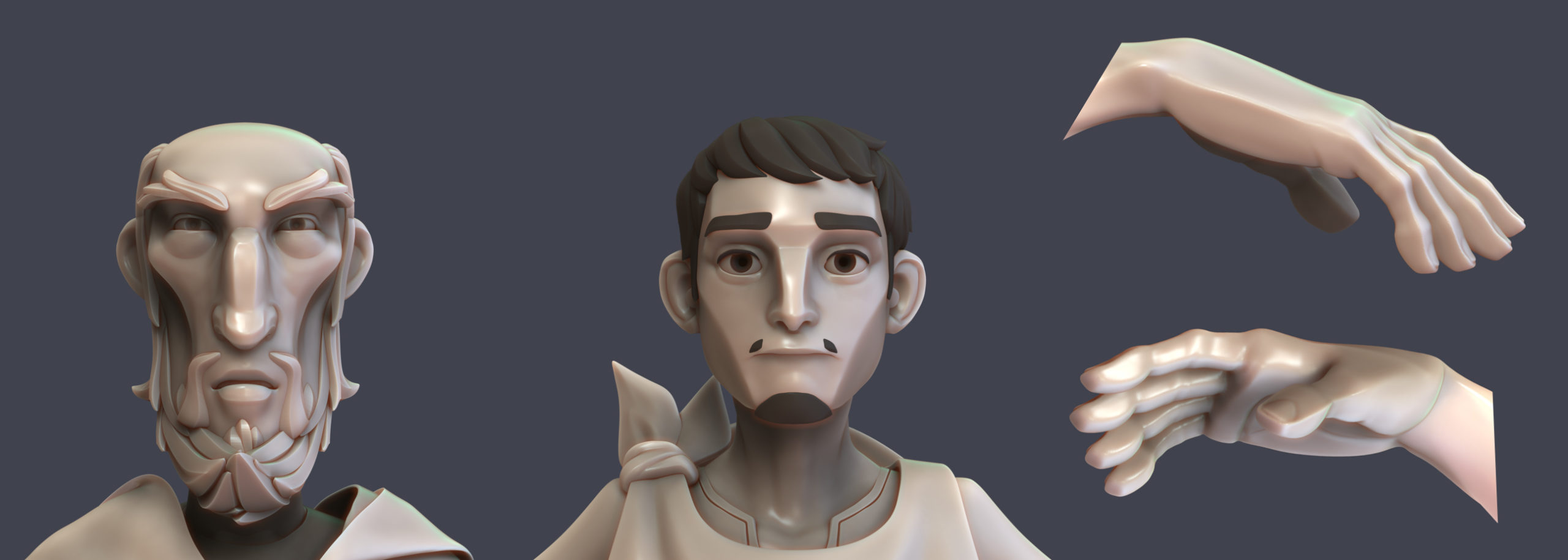
Over-Sculpting Pass by Gaetano Leonardi.