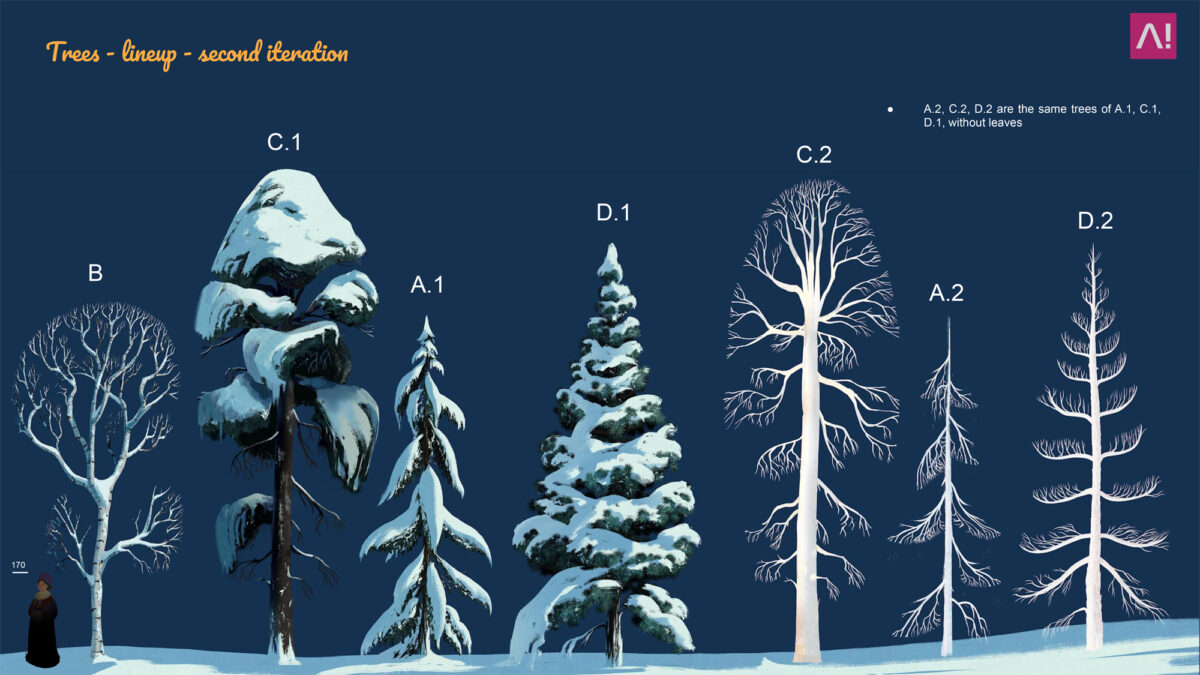
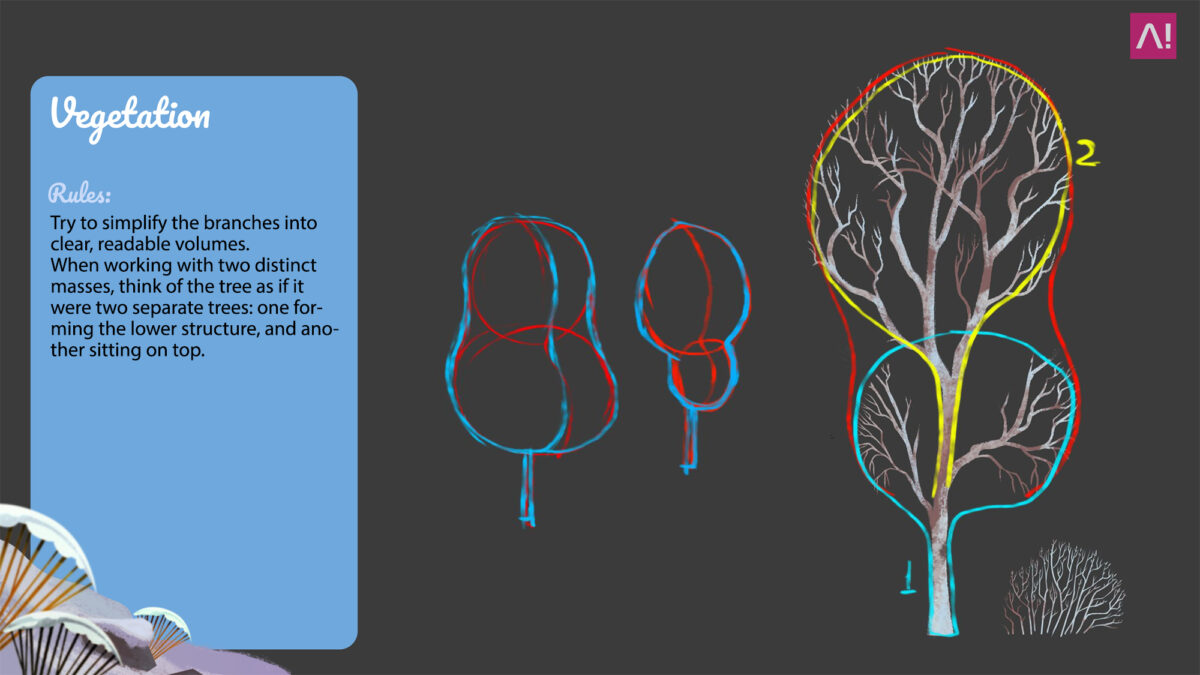
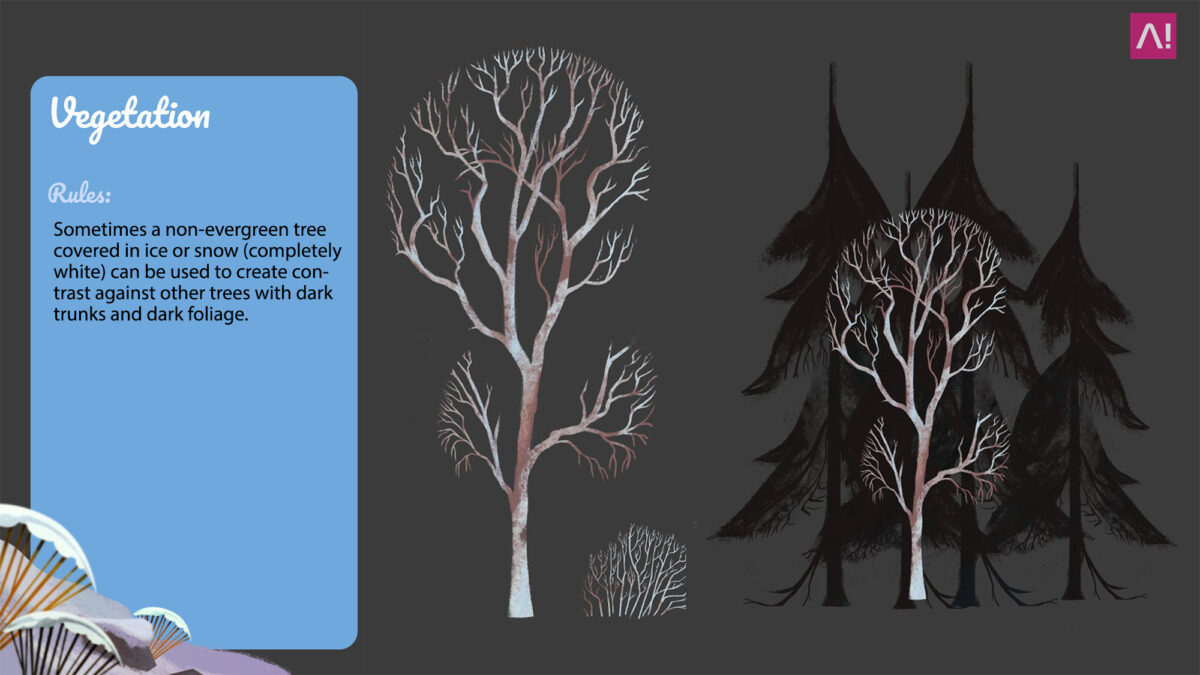
Tree Example – Explaining the Rule to the Artist
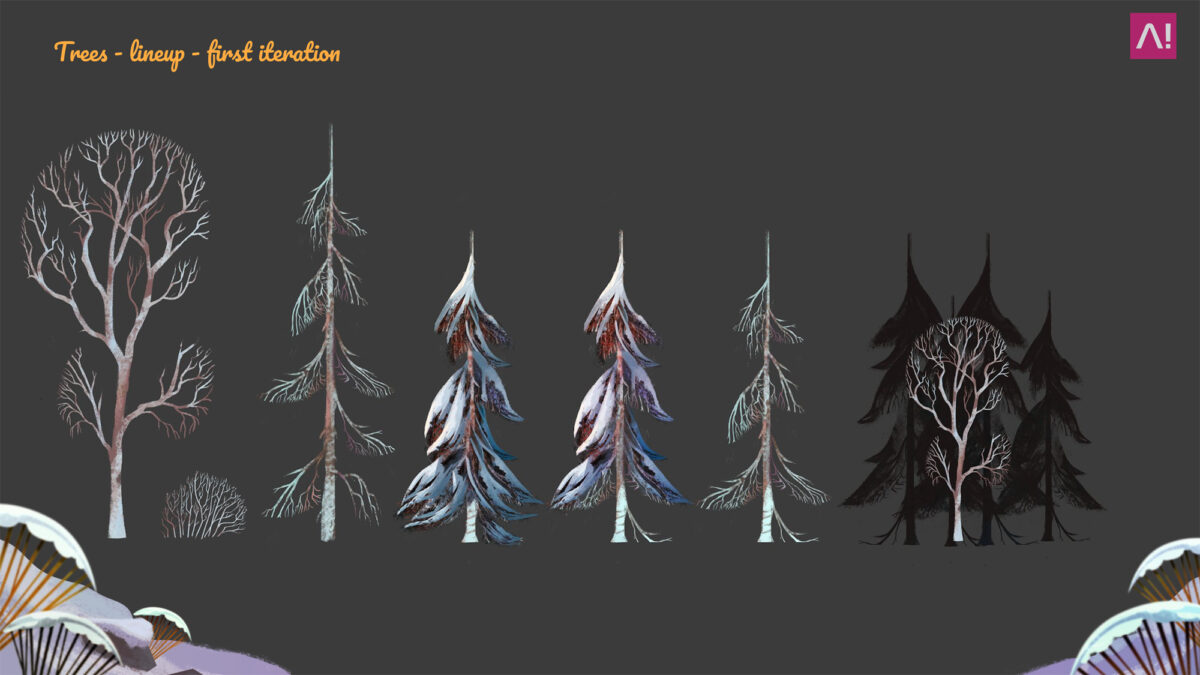
First iteration by Gaetano Leonardi – Second Iteration by Daniela Farrera

Kaisa Group

(3 Shorts ) – Art direction

Served as Art Director on a series of three 30-minute animated films developed for the Chinese client KAISA Group, created for use within large-scale entertainment parks in China.

  • Key contributions:
  • Defined the overall visual direction and artistic language of the films
  • Established character design and visual style guidelines
  • Directed environment design and worldbuilding
  • Set the sculpting direction to ensure visual consistency across assets
  • Acted as primary creative liaison with the client, clearly explaining visual choices, guiding decision-making, and securing fast, first-pass approvals through structured presentations and visual documentation

Visual Communication

Define the Right Communication Goal

When designing a character, the most important element is the message you want to convey. Defining clear keywords or a strong premise helps you stay focused, avoid unnecessary details, and ensure the character aligns with the story you’re building.

Example:
Before I joined the project, the character had a large nose (suggesting goofiness), sloped shoulders (implying weakness), and a posture that didn’t convey authority. It wasn’t inherently wrong, it was simply wrong for that specific character.

He needed to embody strength, pride, and leadership. Someone deeply rooted in his culture.

By working with contrasts: a proud gaze emerging from a smaller nose, balanced by a strong jawline, the character immediately gained presence and authority.
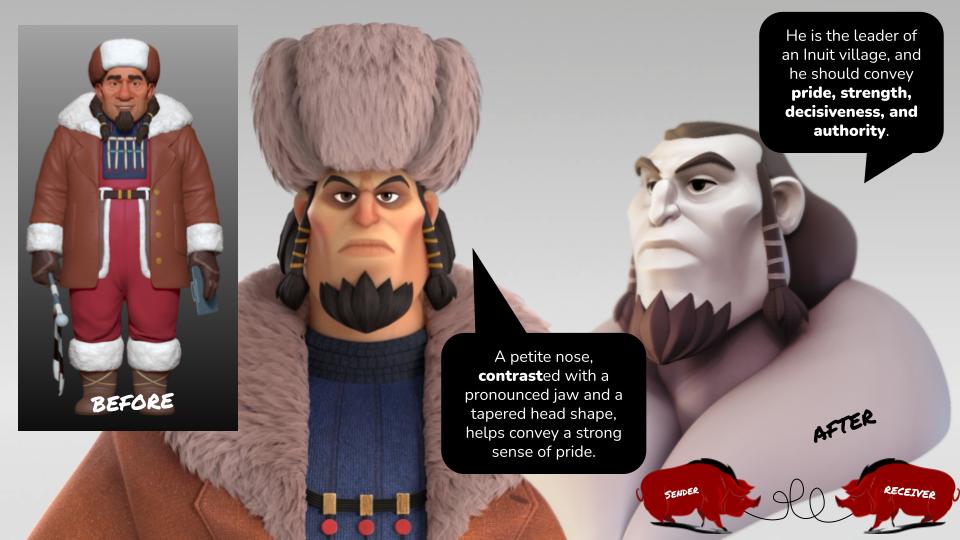
The communication goal.
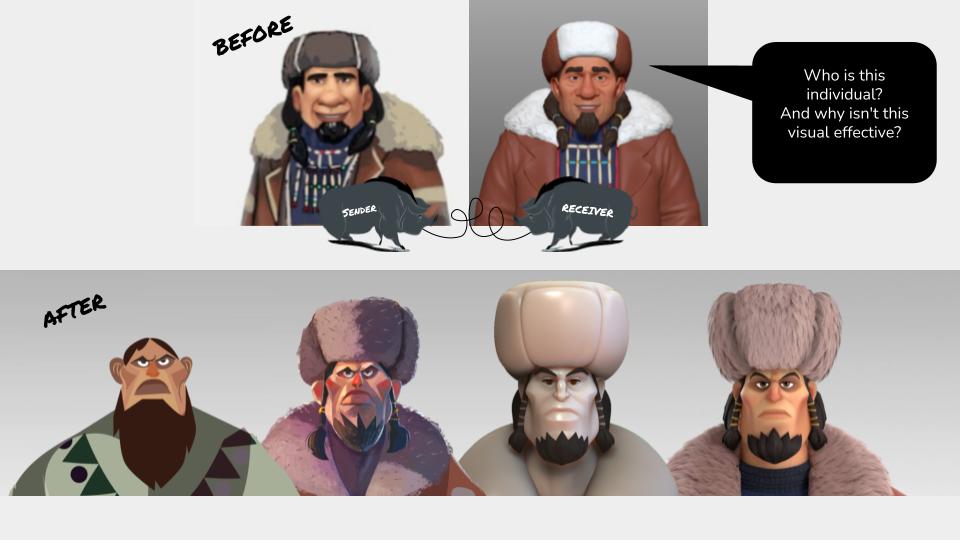
What do you want to communicate?
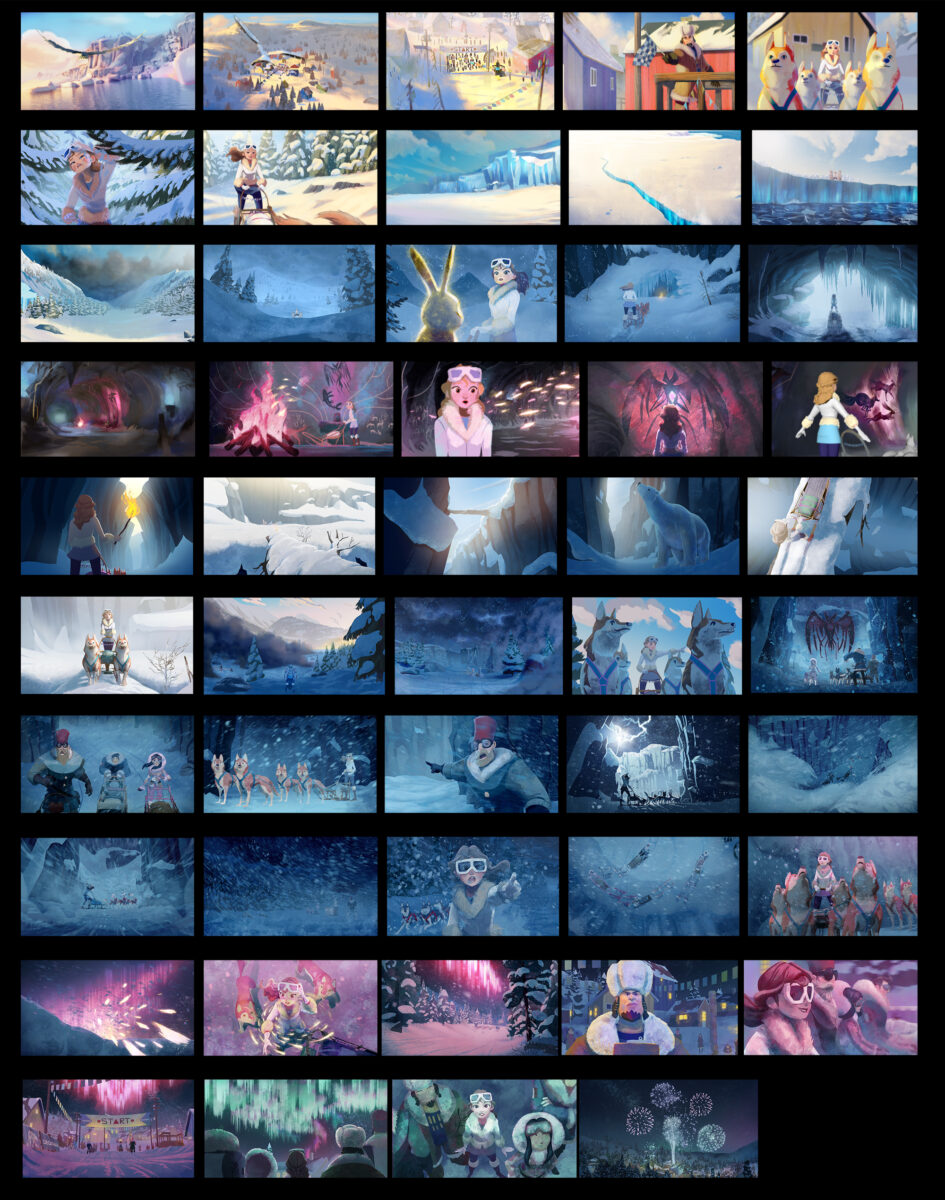
Color Keys – Art by Daniel Farrera; Art direction by Gaetano Leonardi.

Colors

Color Key direction

I oversaw the color key direction, with artwork by Daniel Farrara.

Color is not merely an aesthetic choice, it is a powerful tool that supports direction and reinforces communication. Through contrasts in saturation, luminance, and complementary hues, color helps guide the audience’s perception and emotional response.

Colors can significantly influence the viewer’s mind. For example, if we transform a natural yellow-red flame into an unnatural violet one, we immediately communicate that something magical is happening. Without a single line of dialogue, we introduce a precise narrative element.

Once established, this visual language must remain consistent throughout the film, especially in subsequent magical moments, to preserve coherence and reinforce storytelling.

Lighting Supervising

Helping the team

I usually divide the image into three layers: Foreground; Characters; Background. Then play with: warm vs cold colors; exposure vs shadow. If the foreground is warm, push the background colder and viceversa. You’re basically guiding the viewer’s eye without them noticing.

One more important habit: Before sending feedback to the team, I always do a quick paint-over in Photoshop. A concrete visual suggestion works infinitely better than an abstract explanation. People understand in seconds what words would take minutes to describe.
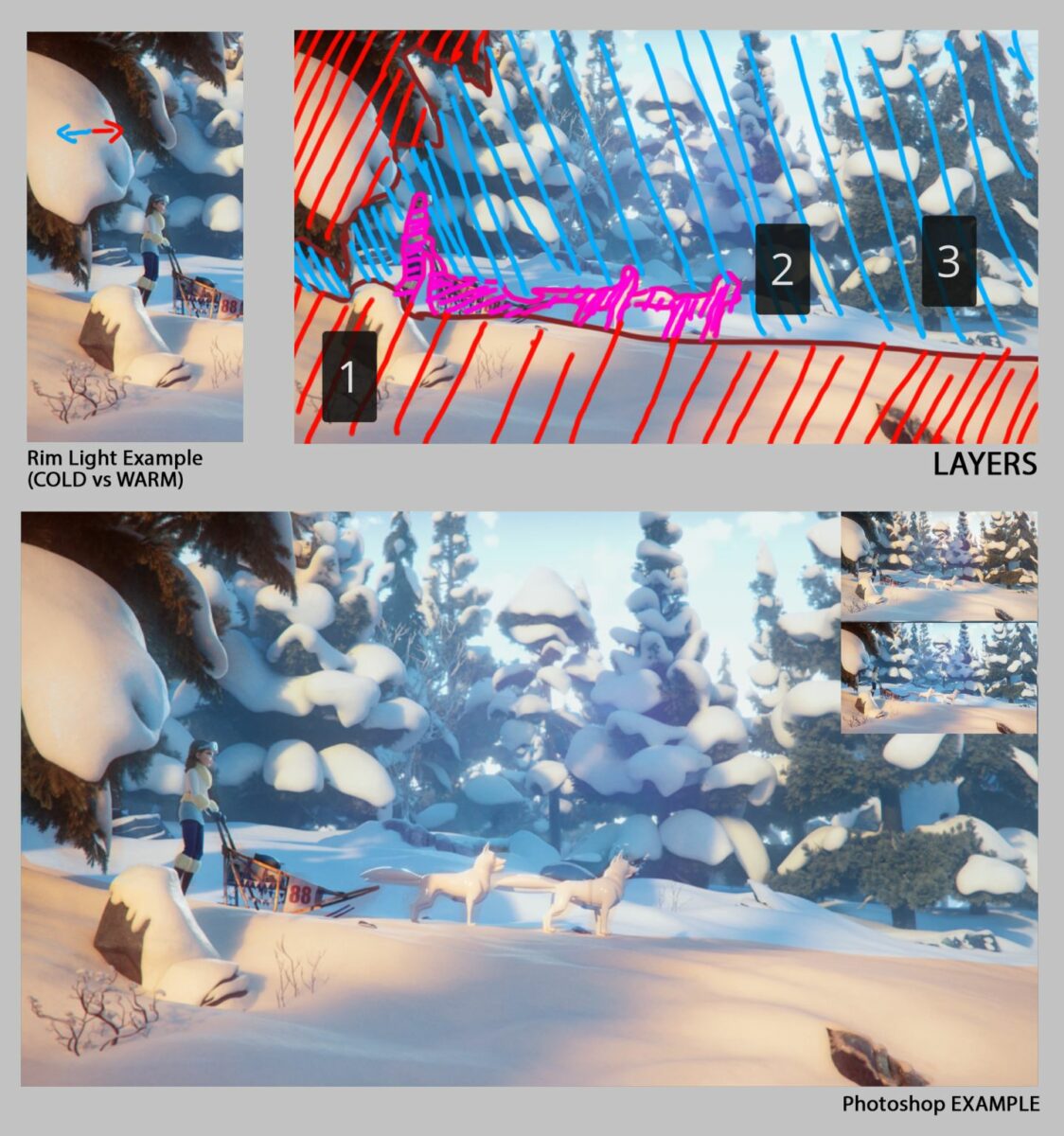
What do you want to communicate?
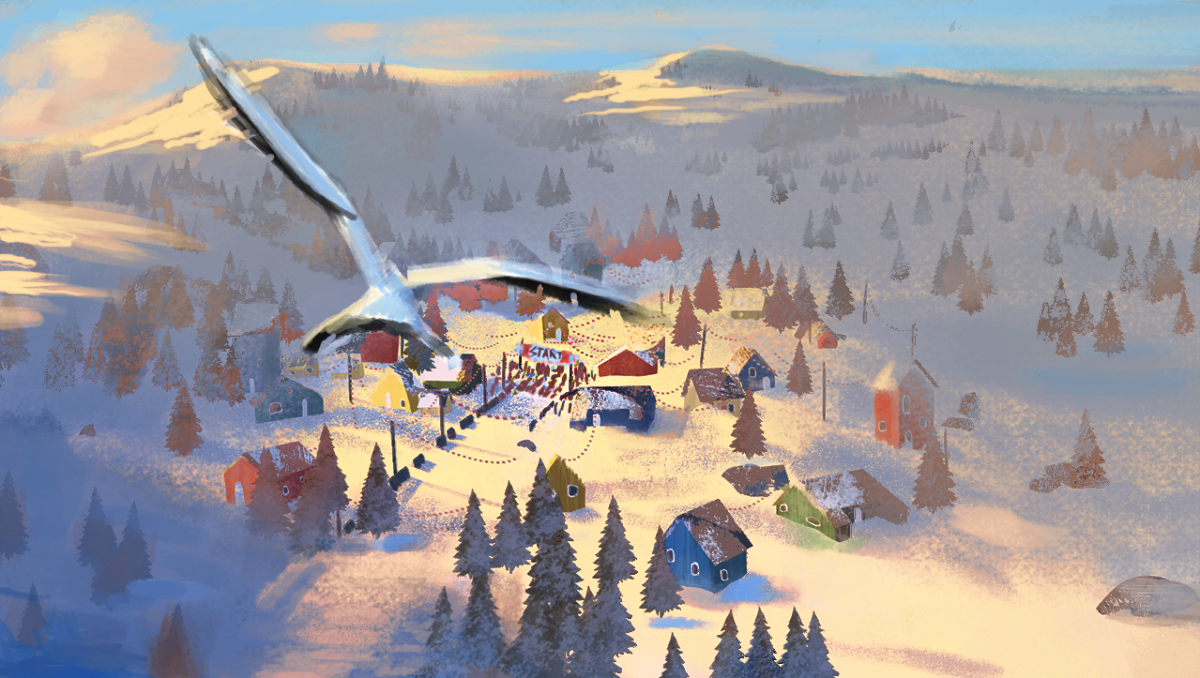
Color Key
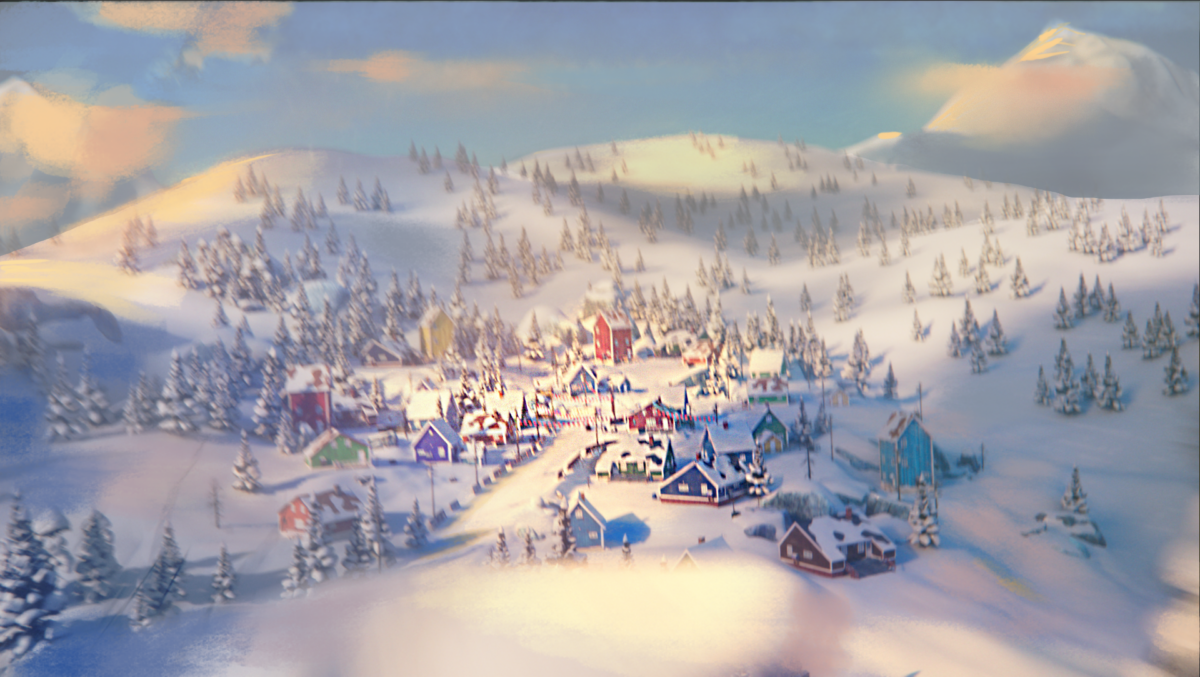
Final Shot
Preserving Production Value

Delivering Variety with the Same Assets

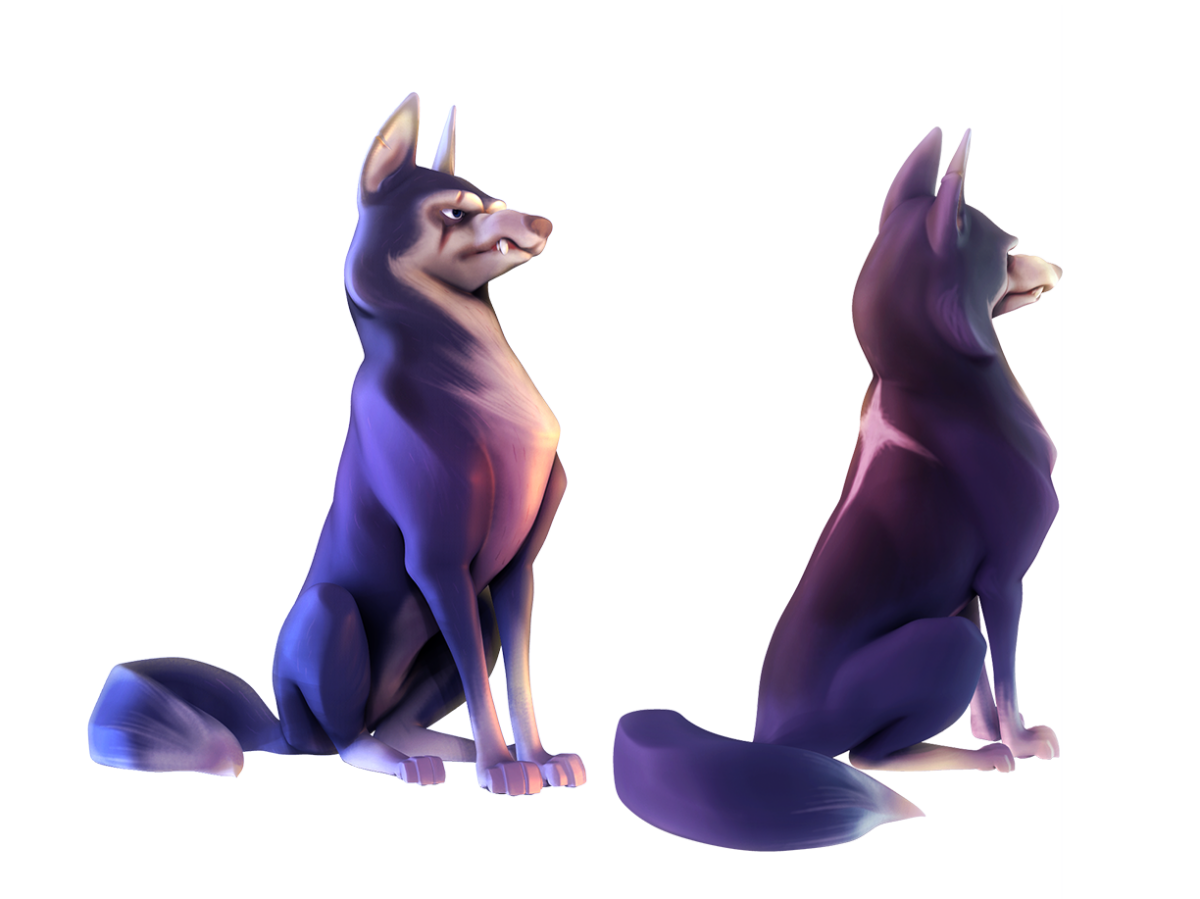
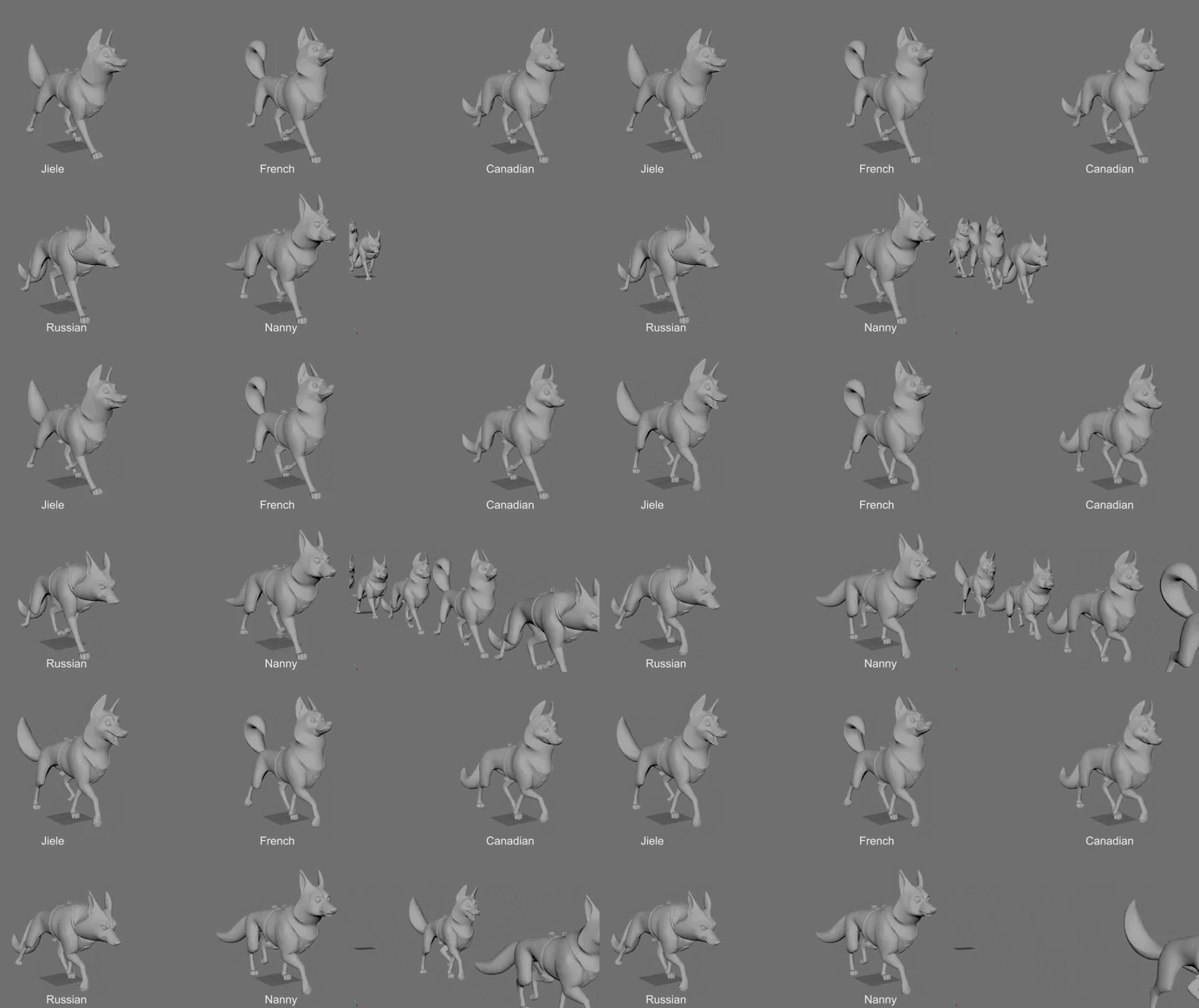
The client initially requested different 3D models for the sled dogs. However, due to production costs, creating multiple unique models was not a viable solution.

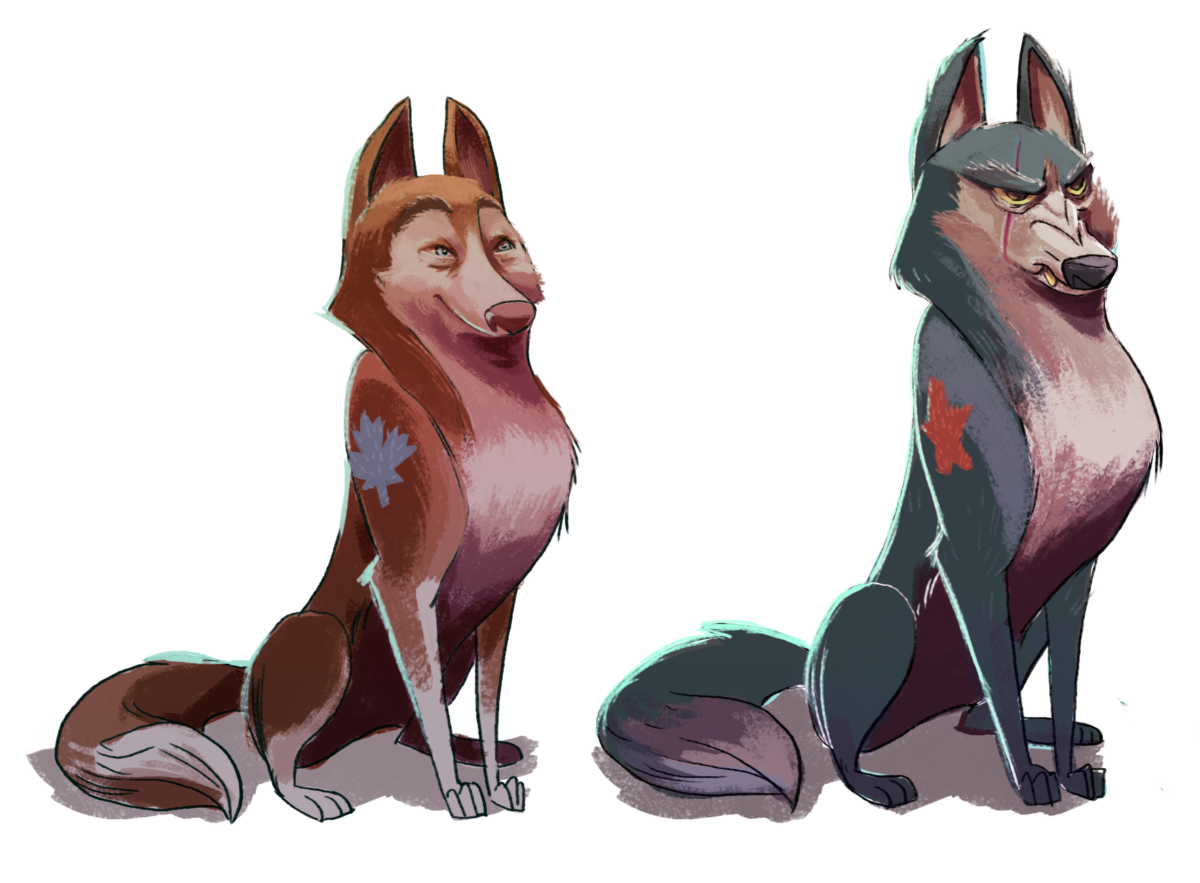
Instead, I proposed using animation and texture variations to suggest differences between the dogs. By adjusting attitude, posture, timing, and color palettes, we were able to transform the same base model into distinct personalities: dangerous, playful, proud, clumsy, or goofy.

This approach allowed us to deliver the perceived variety the client wanted, while keeping production costs under control. The client was satisfied, the budget was respected, and the project was ultimately a success.

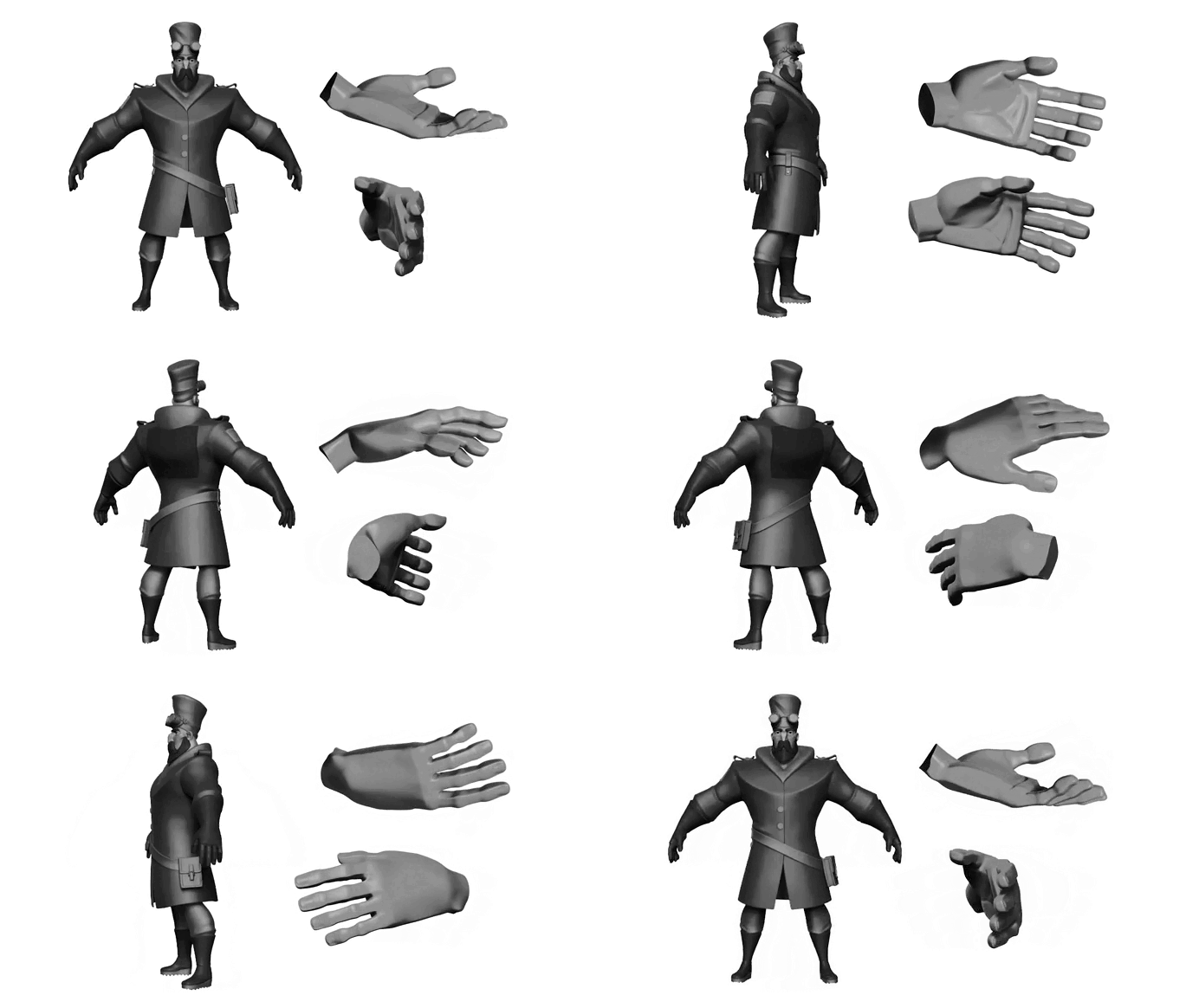
Sculpting supervising

Character design & 3D Character design

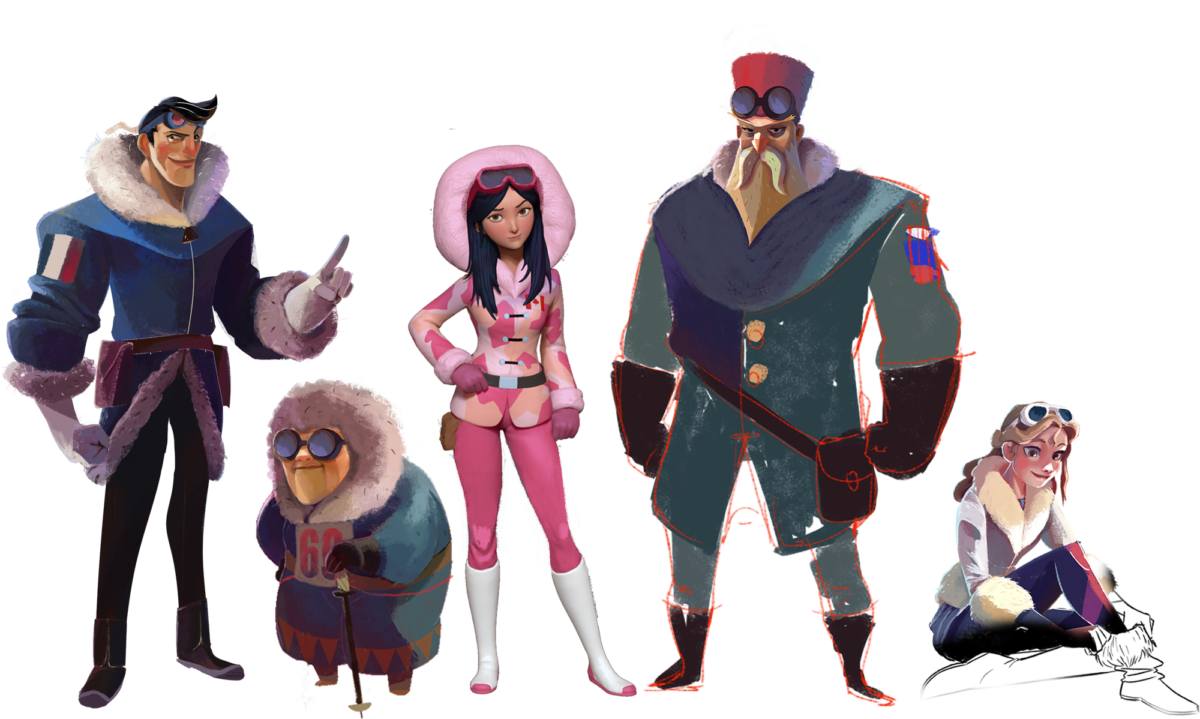
I also developed several early character sketches during the pre-production phase. These materials were primarily created to brief the artists for the next stage of development.

In addition, I supervised the sculpting process, working directly on top of the artists’ models when necessary to ensure visual consistency and maintain the integrity of the characters.